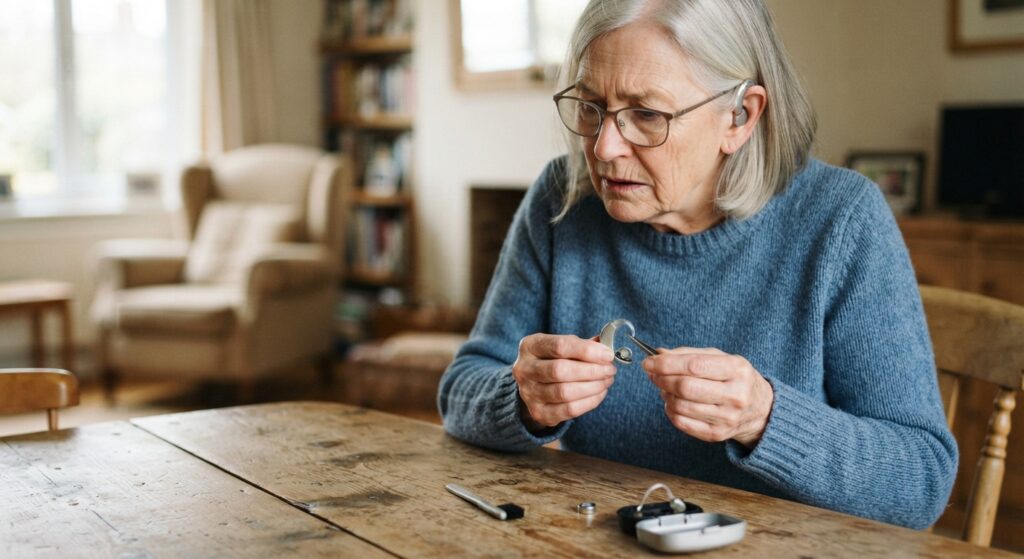
Why Is My Hearing Aid Not Working? Common Problems and When to Get It Repaired
By admin, Hearing Instrument Specialist · September 29, 2026 · 5 min read
The most common reasons a hearing aid stops working include dead batteries or low charge, earwax clogging the sound port or wax filter, moisture damage, and microphone or speaker failure.American Family Hearing Aid CenterinMarietta, GAprovides professionalhearing aid repairservices for multiple makes and models.Contact the teamto schedule a repair assessment.
When a Hearing Aid Stops Working, Start With the Basics
Hearing aids are sophisticated electronic devices worn in or near the ear every day. They are exposed to earwax, moisture, sweat, and physical handling that eventually take a toll on even the most durable devices. When a hearing aid suddenly stops working or sounds different than normal, the cause is often something simple that can be addressed at home. Knowing where to start saves time and a trip to the clinic for problems you can solve yourself.
But some issues go beyond home maintenance and require professional hearing aid repair. Knowing when to bring the device in is equally important. This guide walks through the most common problems and how to approach each one.
Problem 1: No Sound at All
When a hearing aid produces no sound, the most common cause is the battery. For disposable battery devices, the battery may be dead, installed incorrectly, or have its protective tab still in place. Replace the battery with a fresh one and make sure the battery door clicks shut completely.
For rechargeable hearing aids, confirm that the device was properly seated in the charger and that the charger is plugged in. If the charging indicator did not activate, try a different power outlet.
If power is confirmed and the device still produces no sound, check whether the volume control has been accidentally set to minimum, or whether the device has been switched to a program that mutes external sound. If none of these resolve the issue, bring the device in for professional assessment.
Problem 2: Muffled or Distorted Sound
Muffled sound is the most common hearing aid complaint and the most commonly fixable at home. The sound port, the small opening at the tip of the hearing aid through which sound exits, can become clogged with earwax. Most hearing aids include a wax filter or wax guard that prevents earwax from entering the device. When this filter becomes saturated, sound becomes muffled.
Cleaning the sound port with the brush or cleaning tool provided with your device and replacing the wax filter usually resolves muffled sound. If you are unsure how to replace the wax filter, or if cleaning does not help, the team at American Family Hearing Aid Center can perform this during a service appointment. Patients whose ears produce significant earwax should also consider regular ear cleaning to reduce the amount of wax entering the device.
Problem 3: Whistling or Feedback
Acoustic feedback, the high-pitched whistling sound that hearing aids sometimes produce, is caused by amplified sound leaking out of the ear canal and being picked up by the microphone again. This can happen when the device does not fit properly in the ear, when the dome or earmold has become loose or damaged, or when the ear canal is partially blocked by earwax.
Try repositioning the device and checking that the dome or earmold is properly seated. If the fit has changed because the ear canal shape has shifted over time, a refitting may be needed. Earwax buildup in the canal can also cause feedback by partially blocking the sound path and directing it back toward the microphone.
Problem 4: Intermittent Sound
A hearing aid that cuts in and out is often dealing with a corroded battery contact, moisture in the device, or a loose component. Clean the battery contacts gently with a dry cotton swab if they appear discolored. Allow the device to sit in a hearing aid dehumidifier overnight, as moisture is a frequent culprit in intermittent performance.
If the problem persists, the issue is likely internal and requires professional repair.
Problem 5: Physical Damage
Dropped hearing aids, devices exposed to submersion in water, or instruments with visible cracks or bent components should be brought in for professional assessment. Physical damage can sometimes be addressed through in-house repair, while more significant damage may require sending the device to the manufacturer. The team at American Family Hearing Aid Center services multiple makes and models and will advise on the most appropriate course of action.
When Home Troubleshooting Is Not Enough
If you have worked through the troubleshooting steps above and the device is still not performing correctly, the next step is a professional evaluation. American Family Hearing Aid Center in Marietta offers repair services for a wide range of hearing aid brands and styles. Many repairs can be completed in-house; others may be sent to the manufacturer.
Patients should also be aware that regular professional maintenance, at least once or twice a year, prevents many common problems before they develop. A professional cleaning removes debris from areas that are difficult to reach at home, and a performance check ensures the device is operating at its intended specifications. Contact the clinic to schedule a repair or maintenance appointment.
Frequently Asked Questions
Why does my hearing aid sound muffled?
Muffled sound is most often caused by earwax or debris clogging the sound port or wax filter. Cleaning the device with the tools provided and replacing the wax filter often resolves this. If the problem persists after cleaning, bring the device to American Family Hearing Aid Center for professional inspection.
How often should hearing aids be professionally serviced?
Most hearing care providers recommend a professional cleaning and inspection at least once or twice a year, even for devices that appear to be working well. Regular maintenance extends the life of the device and catches small issues before they grow into larger and more costly problems.
How long do hearing aids typically last?
Modern hearing aids typically last three to seven years with proper care. Daily cleaning, proper storage in a dehumidifier or dry case, and regular professional maintenance all extend the useful life of the device.
Can all hearing aids be repaired at American Family Hearing Aid Center?
American Family Hearing Aid Center in Marietta services multiple makes and models. Many repairs are completed in-house, while others may be sent to the manufacturer. The team will assess the device and advise on the best course of action.
What should I do if my hearing aid gets wet?
Remove the battery immediately if the device is not rechargeable, and allow the hearing aid to dry fully in a dehumidifier or desiccant container overnight. Do not use heat sources such as a microwave or hair dryer. If the device does not recover after thorough drying, bring it in for professional assessment.
Is it worth repairing an older hearing aid?
It depends on the age of the device, the cost of repair, and what newer technology could offer. The team at American Family Hearing Aid Center can assess the device and help you weigh repair against replacement based on your specific situation and budget.
Mark Stevenson, HIS
Hearing Instrument Specialist with more than 25 years in hearing healthcare, and the person who runs every hearing test, fitting and adjustment at American Family Hearing Aid Center in Marietta. A Hearing Instrument Specialist tests hearing and fits hearing aids. We do not diagnose medical ear conditions, and we refer to a physician when something needs one.
This article is general information, not medical advice about your own hearing. If you have sudden hearing loss, one-sided loss, ear pain or drainage, contact a doctor promptly.
Hearing aids are among the most effective tools for managing tinnitus when hearing loss is also present. By amplifying environmental sound, they reduce the contrast that...
Ringing in the ears, known as tinnitus, is most commonly caused by noise-induced hearing loss, age-related hearing changes, or earwax buildup. American Family Hearing Aid Center...
Custom ear molds are precisely fitted devices made from a silicone impression of an individual's ear canal. They are used for hearing aids, ear protection, musician's...
September 29, 2026 · 5 min read
Find out where your hearing actually stands
A consultation takes about 45 minutes, and you leave with an audiogram and a plain explanation of it.